-

A conversation with Nik Suresh
Thank you to Nik Suresh for hosting me on his podcast, Does A Frog Have Scorpion Nature?. Nik’s previous guests include Ed Zitron and Cory Doctorow, so I expect it was a real change of pace for him to host his lawyer.
-

The last days of Electron and React Native
The usual objection to software written with AI is that maintenance costs will increase because nobody wants to, or is easily able to, maintain the software. The coder gets the glory while the operations team foots the bill. I think the opposite. AI will make software maintenance cheaper, not more expensive, if the software is built to last.
-

Jo is the greatest card game ever invented
This holiday, I created calmjo, a version of Jo you can play on your phone. Play against the computer or your friends in real time. It was just released on the Apple app store.
-

What is the best way to pay for agile software development?
The agile methodology reflects how software is built. It’s complex and messy. So what is the best way to pay?
-

Drill down without slowing down
We can drill down without slowing down.
-

Open source software licences
A very interesting study interviewing lawyers who work with open source software and the challenges they face:
-

Oh agile
Oh agile.
-

How to draft an AI contract
Best practice for using AI (i.e. in this context large language models) is in a state of flux. Our clients tell us that they see a lot of abstract high-level articles about AI, but little concrete practical advice about how to draft an AI contract. What should we consider when drafting and negotiating an AI contract?
-

Why is an organisation the 'technology leader'? Boring technology foundations.
If there are three to five large players in a highly regulated market, and one is seen as the technology leader, it is often because that organisation has already invested in replacing their technology foundations with boring technology. We can see this across industries, including the energy, telecommunications, hospital, and financial services industries, as well as for government services.
-

Have you checked your software stored in escrow lately?
Have you checked your software stored in escrow lately?
-

YubiKeys can be cloned (and why it's mostly a non-event)
YubiKeys are vulnerable to cloning attacks thanks to newly discovered side channel (Ars Technica)
-

That time when I spent two weeks hunting down one software bug
This post is a response to two questions that I am commonly asked. ‘Is coding fun?’ and ‘What is coding like?’ That time when I spent two weeks hunting down one software bug.
-

Golang database locker (imclaren/dblocker)
How I access databases in golang: github.com/imclaren/dblocker
-

The 20% cut - Tech cost cutting trends
The 20% cut: Tech cost cutting trends
-
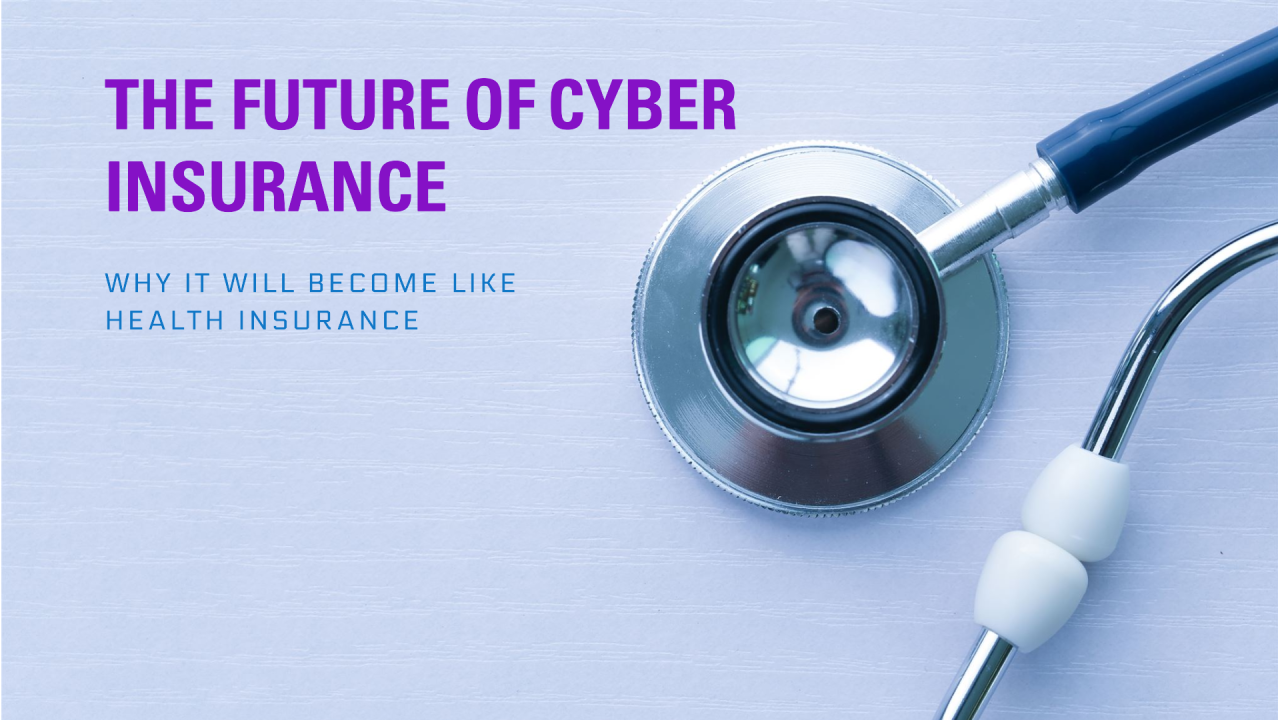
Why cyber insurance is becoming like health insurance
The health insurance industry has a significant influence on how health care is provided. Similarly, cyber insurers may increasingly influence how organisations run their technology systems and secure their data.
-

Avoiding the business continuity trap
Real business continuity for critical industries like banks, hospitals, and government organisations
-

Commonly asked question - Should your business buy AI products?
Consider just waiting for machine learning to be built into the products that you already use, or buying targeted tools requiring human oversight.
-

What happened with CrowdStrike and why it is interesting from a security perspective
CrowdStrike’s statement on the Falcon content update for Windows hosts
-

Why Go is my favourite programming language
go is my favourite programming language.
-

macOS golang backend and native SwiftUI frontend using http long polling
imclaren/SwiftPollManager Run a golang binary embedded in a native macOS SwiftUI app. The golang binary and SwiftUI app communicate via http long polling. I hope that you find it useful.
-

Run a golang binary embedded in a native macOS SwiftUI app
imclaren/SwiftStreamManager Run a golang binary embedded in a native macOS SwiftUI app. The golang binary and SwiftUI app communicate via encrypted websocket messages.
-

Can banks use cloud services?
The Australian banking regulator (APRA) just released an information paper on ‘shared computing services’, including cloud computing. Can banks still use cloud services?
-

Suppliers make more money by signing tougher contracts
Immature suppliers smash their standard contract terms and conditions through the bureaucracy of their enterprise customers. But mature suppliers sell more services (and make more money) by signing “real” contracts, and by taking real responsibility for providing great services.
-

No middle ground - why CIOs thrive or die
Customer business teams are outsourcing their technology to cloud providers while avoiding or ignoring their internal technology teams. Great Chief Information Officers (CIOs) who embrace wider business responsibilities will thrive. The other CIOs won’t survive.
-

Zen and the art of drafting simple contracts
Simple contracts are quick and cheap to draft and negotiate. But if our contract is too simple then we risk project failure. How do we draft the simplest possible contract?
-

Can you draft an "Agile" contract?
One of the four core Agile values is “customer collaboration over contract negotiation”. So is it possible to negotiate an “Agile contract” or is the whole concept nonsensical?
-

Why large companies don't invest in security
Data breaches are currently embarrassing but not crippling. But major data breaches will destroy companies once instant anonymous digital transactions become mainstream.
-

How to hire a superstar
Superstars are specialists
-

Why are manufacturers and retailers more efficient than services companies?
The former win or die based on the efficiency of their supply chains
-

It's time to face it - printing is ridiculous
Forget saving the environment. Printing at work is a ridiculous waste of time.
-

Think before you upload
Control what you create
-

Robin Williams (1951 - 2014)
He was a giant
-

The Two Giants - the Amazon and Google cloud problem
Amazon and Google run our critical cloud infrastructure but can switch it off at any time. What’s your plan when the cloud goes down?
-

Perfection is worth risking your company and your job
Fight the culture of cutting corners.
-

Are banks doomed?
Telecommunications services were commoditised in the early 2000s. Are banks next?
-

8 rules for closing contracts
“Amateurs discuss strategy. Dilettantes discuss tactics. Professionals discuss logistics.” - Unknown